PROPOSED PROJECT
Product Films & Campaign Production
Build a campaign around your products and practices for growers, buyers, and communities: a launch film, campaign photos, and files you can reuse, combining current AI tools with photography, editing, and 3D.
held.
The project in practice.
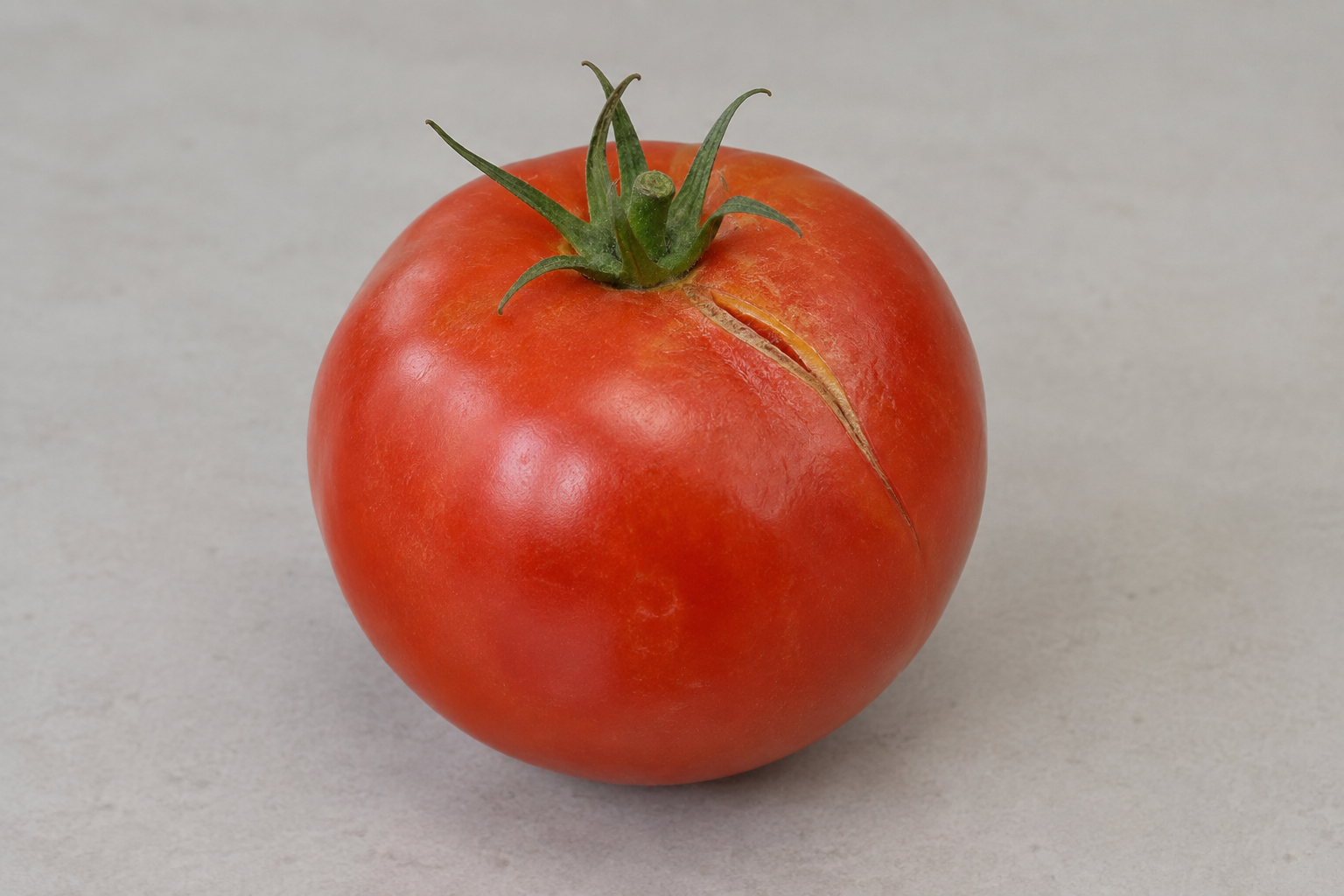
A seed supplier needs a product film explaining its trial program with real packaging and reviewed growing claims.
WHAT IS USUALLY DONE
A common AI workflow produces a polished product image, then crops it for each channel. New camera angles, motion, and revisions become separate generations, with product details and scene continuity checked again each time.
WHAT SOVRUN CAN DO FOR YOU
Sovrun would plan a campaign world around your products and practices, showing the details that matter to growers, buyers, and communities. We would benchmark current image and video models on the hardest shot and build an approved reference kit before production. A proposed first engagement covers a 15-second film, six campaign images, and three ad formats. Photography or 3D preserves critical product details; shot records and editable image files make later revisions traceable.
One product.
An entire visual world.
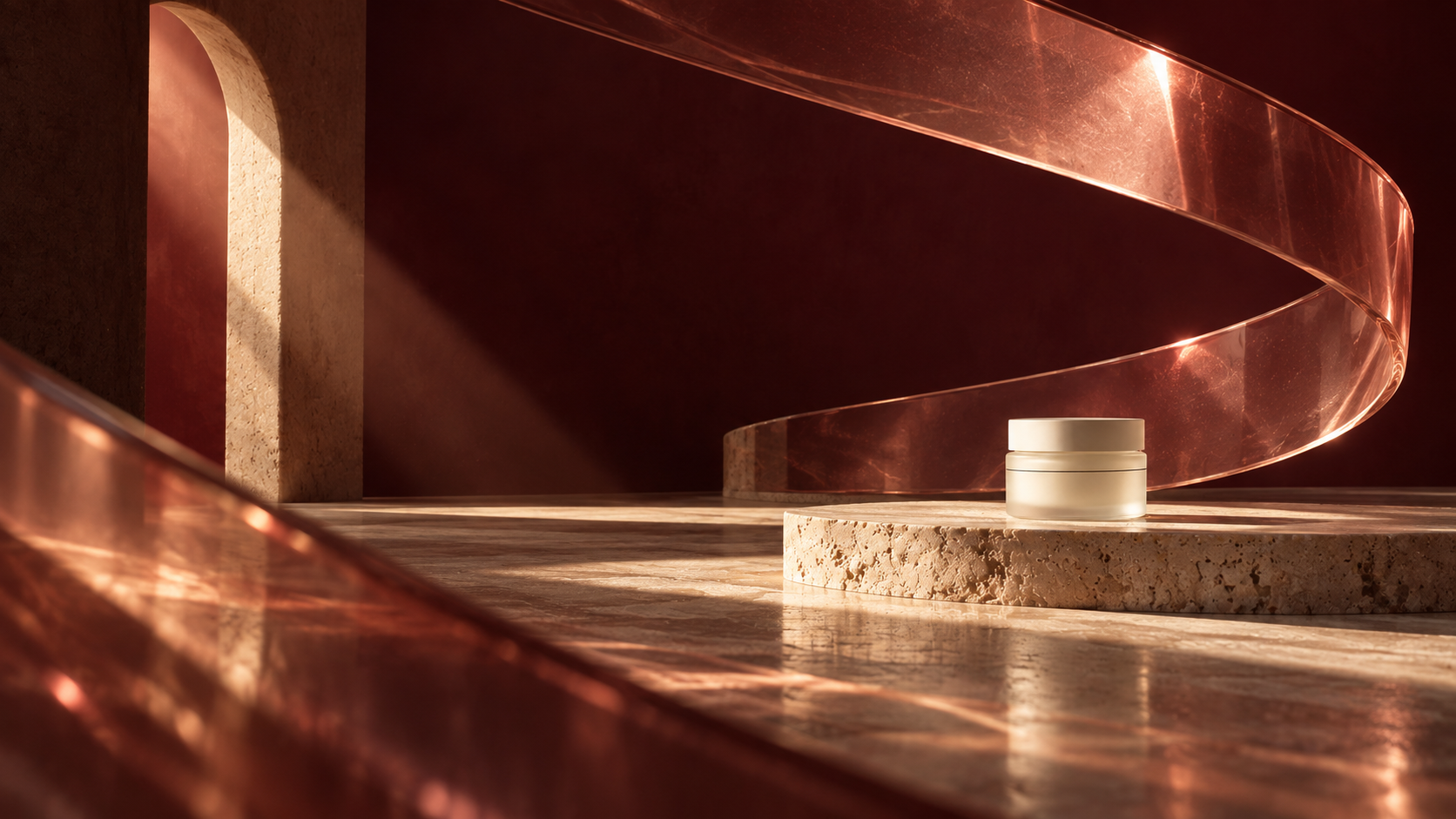
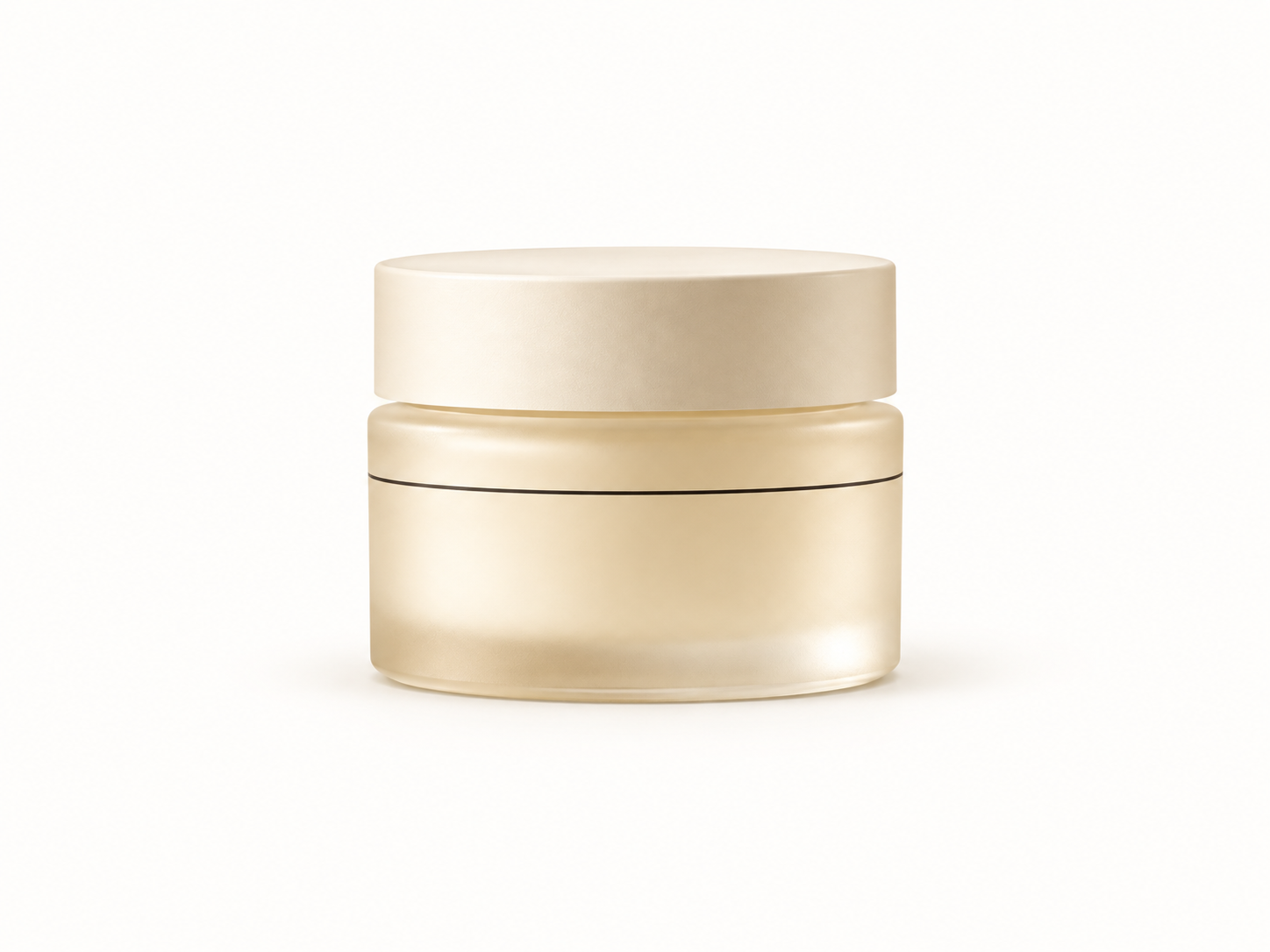
The brief: launch a skincare cream with a 15-second film, six campaign stills, and channel adaptations. A ribbon of glass carries light through an impossible set, revealing the product across a connected sequence.
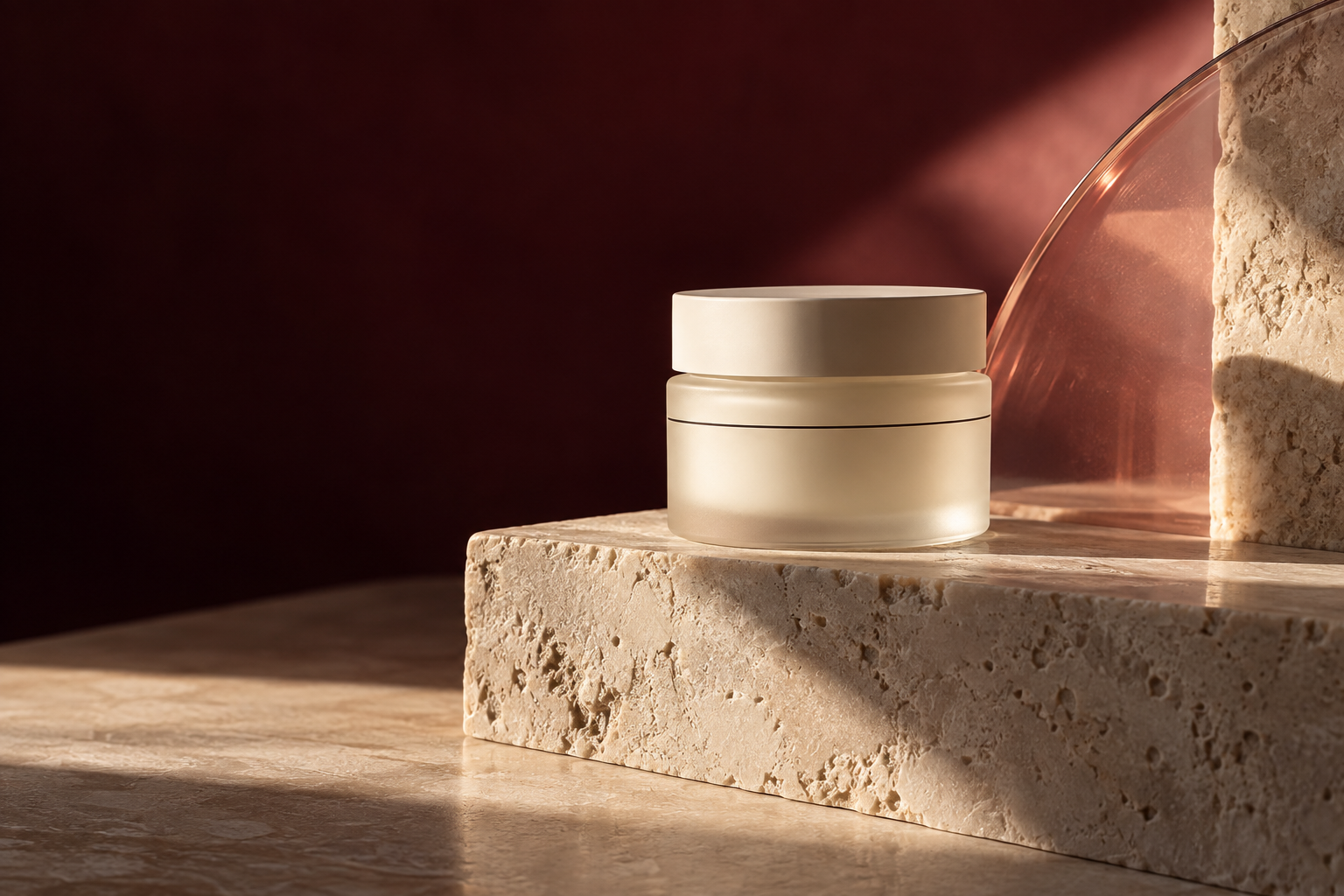
Generate a setting, select a strong result, then crop it for each channel. The next angle or motion shot often becomes another separate generation.
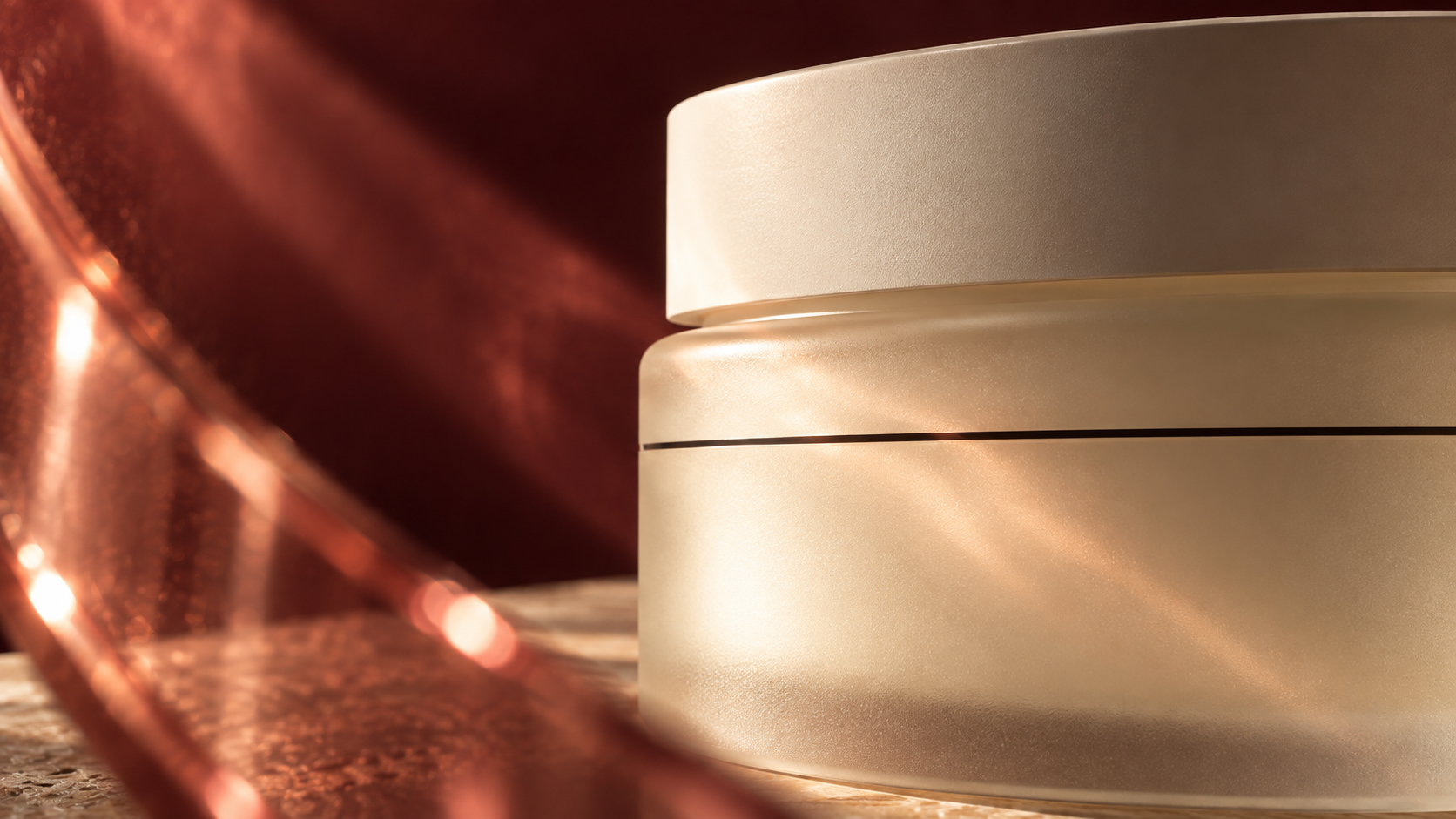
Build the product references and scene rules once. Test the strongest current AI tools for each shot, then connect approved images through animation, editing, and a finished film.
AI-generated concept keyframes, not footage or client work. The wide and macro views are distinct generations. Product fidelity and continuity would be checked and corrected during production.
Built to direct.
Built to revise.
Sovrun’s proposed workflow combines current image and video models with photography or 3D wherever exact control matters. Every model earns its place against the same product brief.
Test the difficult shot first.
Compare product detail, camera control, and motion stability. Select tools per task; combine the scene with real product photography when AI cannot keep the product accurate.
“Keep the jar. Change the camera move.”
Retain approved references, layers, and shot settings. Rebuild the affected shot, then check continuity with the shots on either side.
A launch your team
can actually run.
A finished film, a stills library, and compositions planned for each placement. The mockups below show how the campaign’s wide, macro, and product shots could work together.
Light,held.
Light,held.
Plus the reference kit, editable image files, shot settings, and a record of file versions for the next campaign update.
Proposed delivery scope. This page shows still treatments and layout mockups; the film and full asset library would be produced in the engagement.
How we’d make it happen.
Prove the difficult shot
Define the story, camera moves, and fixed product details. Compare current models using the same references and a demanding test shot before selecting the production workflow.
Build the sequence
Approve the keyframes, generate motion shot by shot, and composite product photography or 3D where precision matters. Correct drift and connect the shots in the edit.
Finish for launch and reuse
Retouch the stills, finish the film, and approve each placement. Deliver the exports with references, layered files, and shot records so the next update has a documented starting point.
Where AI helps
Reference-guided image models develop connected keyframes. Video models are tested for the camera movement and transitions each shot needs. Local edits refine selected areas, while combining generated scenes with approved photos or footage keeps approved product assets and typography under direct control.
What people approve
An art director approves the visual world and shot sequence. Compositors check product geometry, labels, reflections, and continuity frame by frame; an editor finishes timing, sound, and the final channel versions.
What we’d need to start
- Approved photography, footage, or 3D assets representing your products and practices
- Material, design, and brand references
- Campaign brief for growers, buyers, and communities, priority placements across origin stories, product explainers, and trade communications, and usage rights
How we’d test it
Review product fidelity and continuity across the full sequence. Then test one real revision request: changing a camera move while retaining the approved product and scene. Record correction time, approval rounds, and accepted deliverables against the agreed brief; compare with the team's previous workflow where records exist.
Prepared for Agriculture & food systems. We would agree on the work after reviewing your brief, materials, and requirements.
This is a proposed project, not completed client work. The visuals and numbers show example outputs, not measured results.