PROPOSED PROJECT
Recipe Content Production
Turn an approved recipe into a recipe page, a preparation video, and social posts that all use the same ingredients, quantities, and instructions.
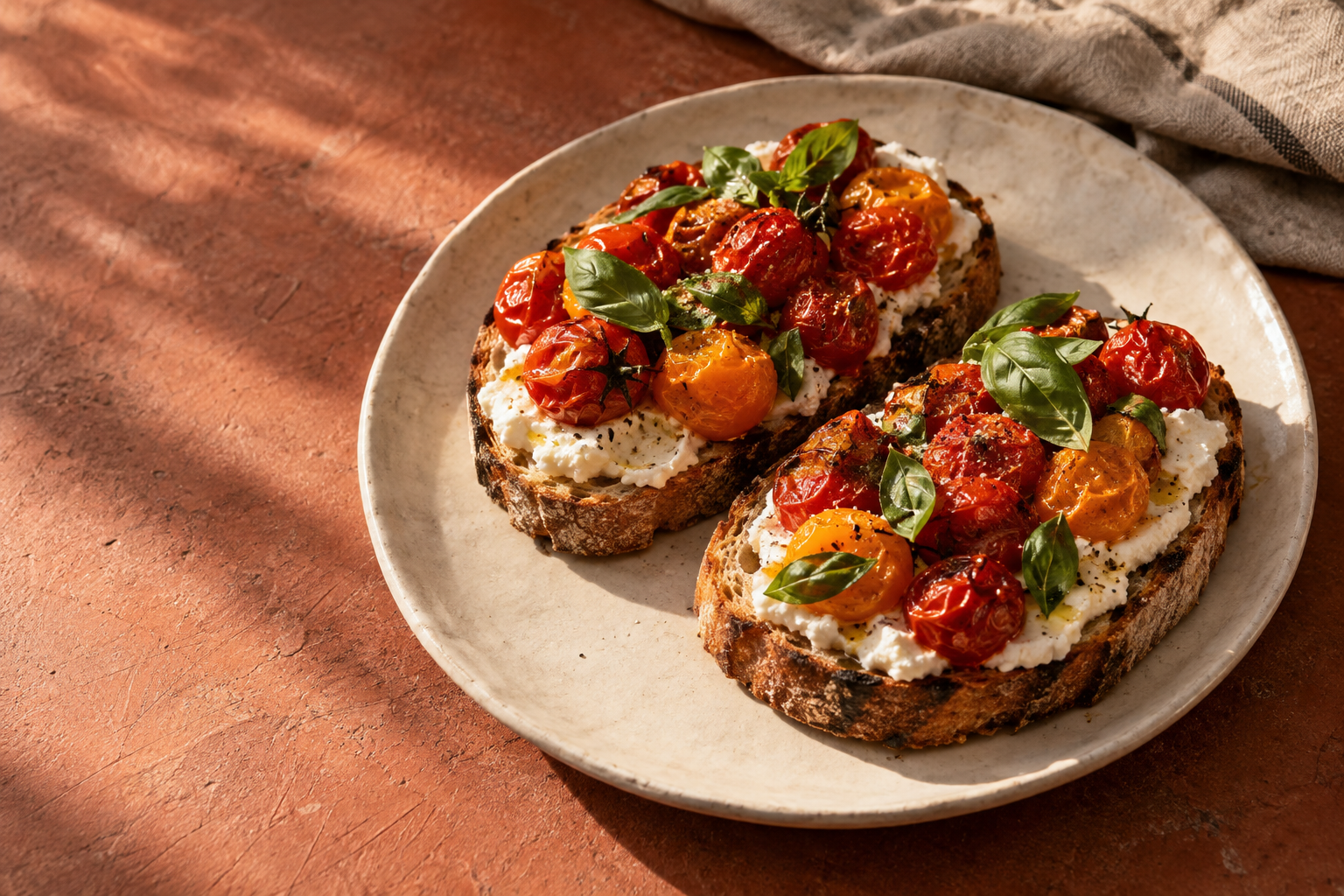
One recipe.
A page, video, and social posts.
A food brand has three approved recipes and wants each to become an editorial page, a preparation film, and a social release. This example follows roasted tomato and ricotta toast. The illustrated source excerpt contains two slices of sourdough, 100 g ricotta, and 200 g cherry tomatoes; the real project would retain the complete chef-approved method.
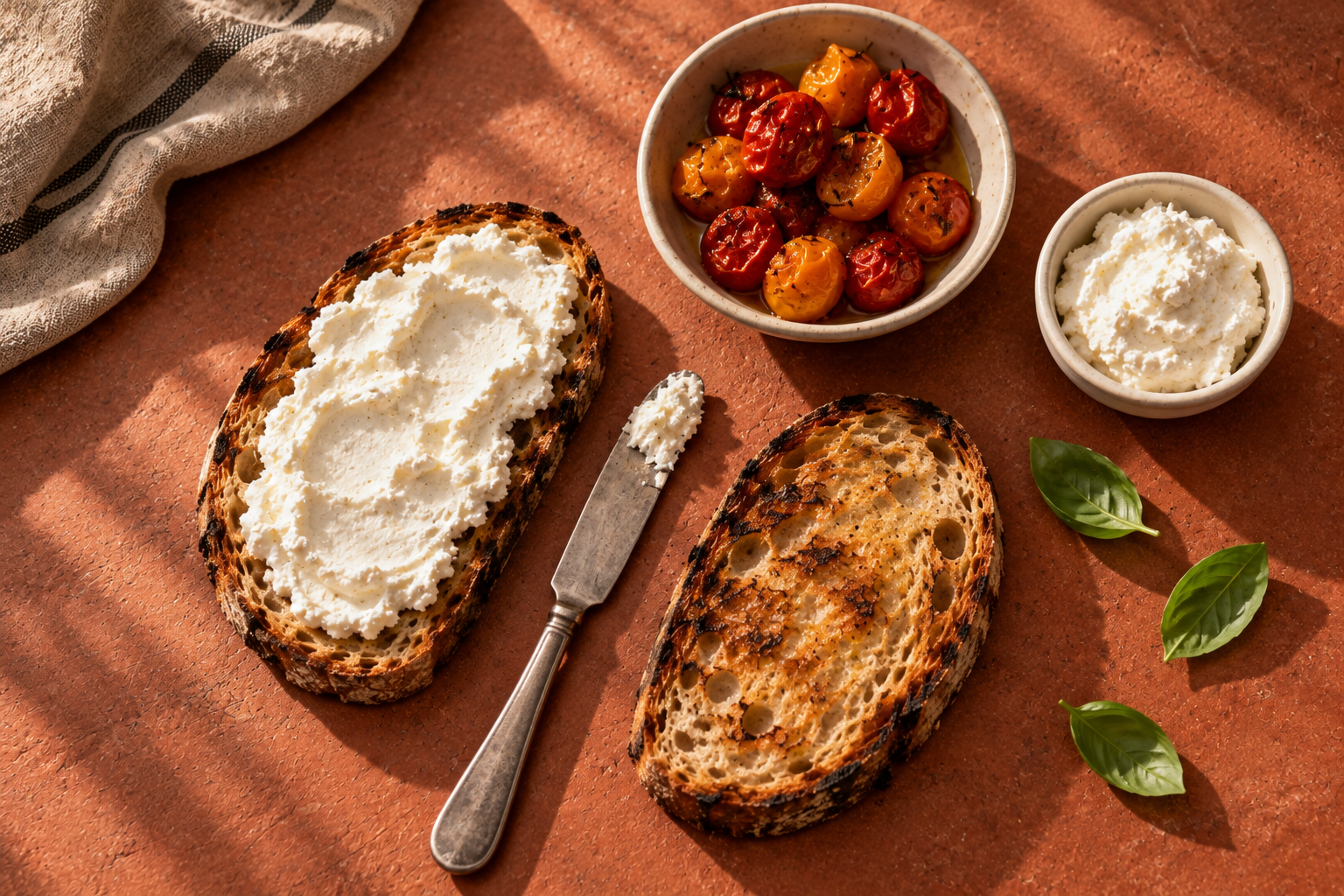
Roasted tomato
& ricotta toast.
- Sourdough
- 2 slices
- Ricotta
- 100 g
- Cherry tomatoes
- 200 g
An excerpt of a fictional source record. A real project uses the chef’s complete, approved recipe and preparation guidance.
WHAT IS USUALLY DONE
AI tools can draft a recipe page and an attractive food image separately. A shorter script may drift from the approved quantities or method, and the pictured dish may no longer match what the food team prepares.
WHAT SOVRUN CAN DO FOR YOU
Sovrun would establish versioned recipe records, produce channel adaptations against those records, and combine reference-led visual development with chef-reviewed production. The first release covers three recipes. Every page, shot list, and caption retains its source version, so a recipe update identifies the outputs that need review.
The same dish,
ready for each channel.
Proposed delivery for three approved recipes: recipe pages, preparation storyboards, and social edits. These are layout and shot examples; the video would be produced with the food team.
Roasted tomato
& ricotta toast
- Ricotta
- 100 g
- Tomatoes
- 200 g
Excerpt of the shot list. Required preparation steps come from the full approved recipe.
Roasted tomato.Whipped ricotta.
VIDEO PLAN + CAPTIONS + RECIPE LINK
A new source version flags the affected page, script, and captions for review. Changes to quantities or required instructions need food-team approval before release.
How we’d make it happen.
Establish the recipe source
Record quantities, required steps, approved language, and version IDs. Agree which fields cannot change during adaptation.
Develop the release together
Draft the page and script from the same record. Build the shot sequence and evaluate whether generated material or a food shoot best preserves the dish.
Review and retain the lineage
Check each output with the food team, produce the approved release, and link all assets to the source version for future changes.
Where AI helps
Language models adapt wording while structured fields retain quantities and required steps. Reference-guided image and video workflows develop shot treatments; footage or food photography replaces generated material where the exact dish or preparation needs to be shown.
What people approve
The food team supplies and approves the full recipe, quantities, preparation guidance, and substitutions. A stylist and editor verify the represented dish and required sequence before release.
What we’d need to start
- Complete approved recipe records and preparation guidance
- Rights-cleared product and food references
- Channel requirements and named food-team reviewers
How we’d test it
Check quantities and required steps across every output, review visual accuracy against the prepared dish, and test whether changing one source record identifies all affected assets for approval.
Prepared for Food & beverage. We would agree on the work after reviewing your brief, materials, and requirements.
This is a proposed project, not completed client work. The visuals and numbers show example outputs, not measured results.