PROPOSED PROJECT
Sample Review Desk
Compare sample garment photos and measurements with the approved design instructions and buyer comments. Flag visible differences, check measurements against allowed limits, and prepare an illustrated correction list for the clothing designer to approve.
A missing detail. A precise correction.
Design review / not accepted
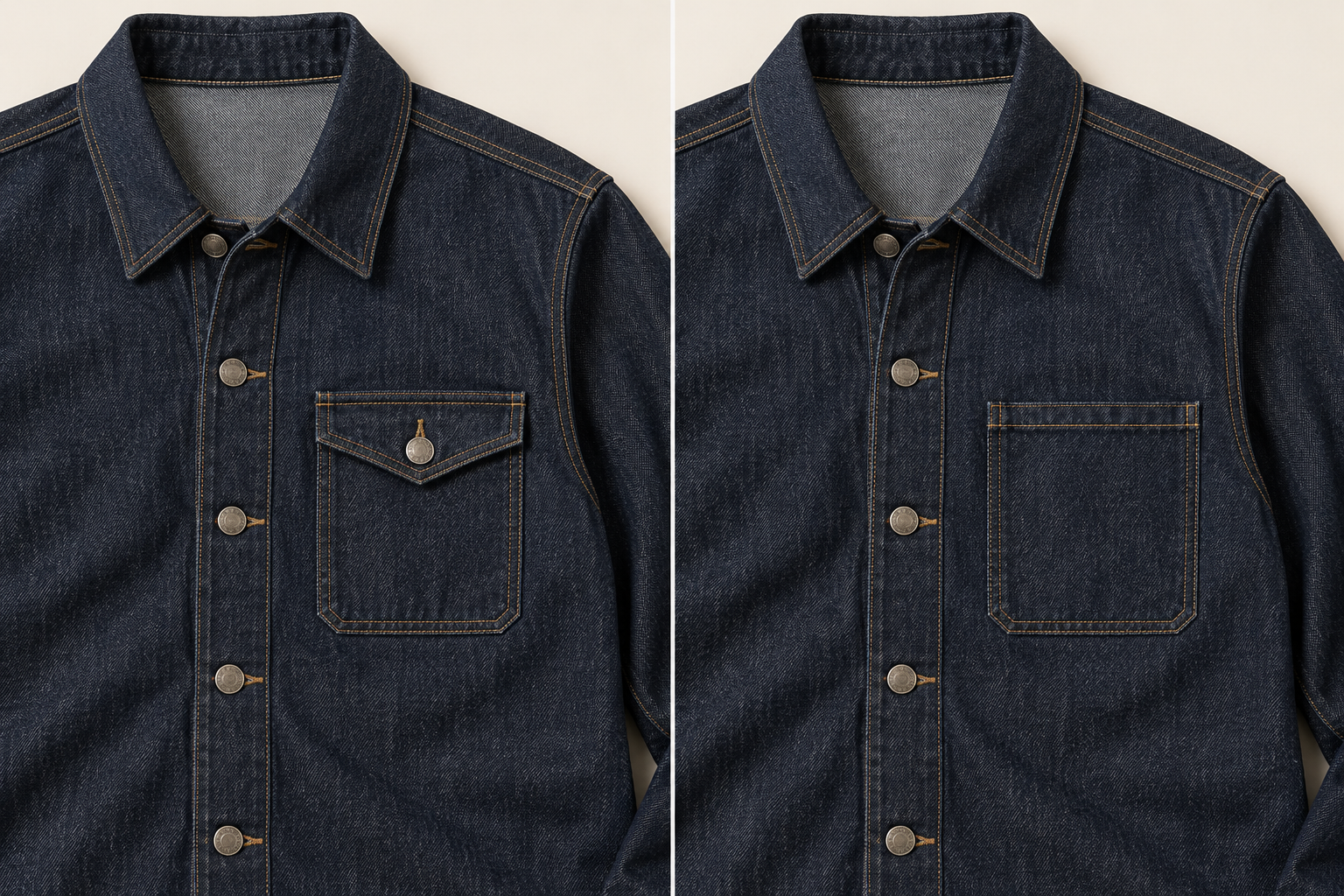
Put each change
beside its evidence.
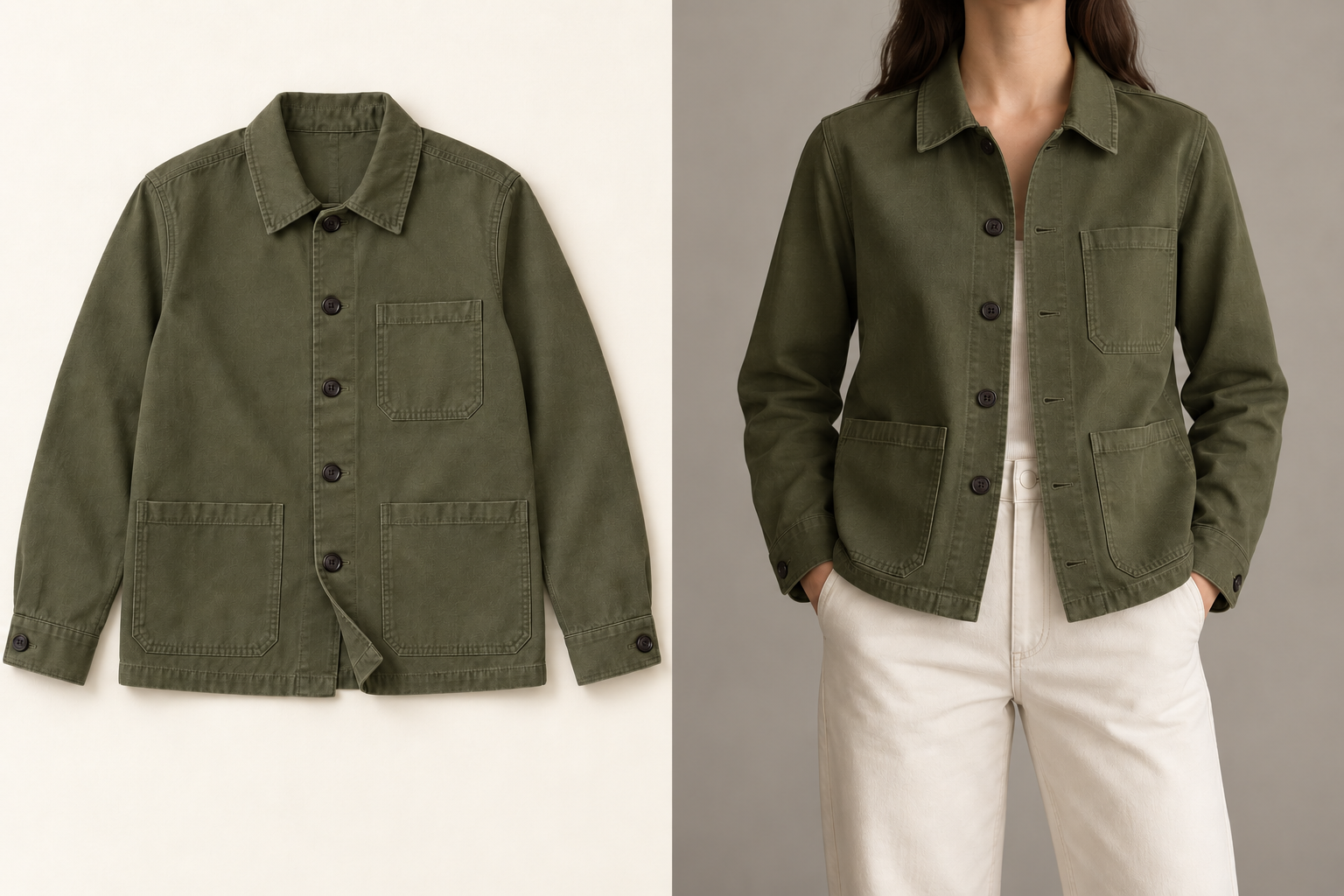
A fictional denim overshirt reference has a chest pocket flap; sample S02 omits it. Separately authored measurement records show a 63 cm sleeve against a 62 cm target with ±0.5 cm allowed, while chest width 58.4 cm is within a 58 cm target ±0.5 cm. The photos demonstrate the pocket difference only. Dimensions are not extracted from the images.
WHAT IS USUALLY DONE
A designer compares sample photos, a measurement sheet, and earlier comments in separate files. A visual change can be discussed without its exact reference, while a measurement outside tolerance is lost in a long email thread.
WHAT SOVRUN CAN DO FOR YOU
Sovrun would build a sample review desk that connects approved construction details, sample photos, measured values, and buyer comments. It highlights visible differences and calculates measurement checks against the supplied allowed limits. Designers approve an illustrated correction list with the exact style, sample revision, and evidence attached; a photograph alone is never used as a reliable measurement.
One visual difference.
One measurement outside tolerance.
The pocket needs its missing flap. The measurement sheet adds a separate correction: a 63 cm sleeve exceeds the approved 62 cm target by more than the allowed half-centimeter. Chest width remains within its allowed range.
Sleeve
Target 62.0 cm · allowed ±0.5 cm
Outside allowed rangeRecorded difference +1.0 cmChest width
Target 58.0 cm · allowed ±0.5 cm
Within allowed rangeRecorded difference +0.4 cmTwo corrections. One clear handoff.
- Restore the flap.Use design D04 and photo S02 as the comparison. Designer confirms construction before issue.
- Bring the sleeve into range.Target 62 cm, allowed 61.5–62.5 cm. Supplier records a new measurement using the agreed method.
An illustrated correction list.
A traceable next sample.
The review helps a designer make and communicate a decision. It does not accept a garment, infer material quality, or replace a physical fit review.
D04 → S02 / flap missingCheck the allowed range.
- Sleeve
- 63.0 cm / outside
- Allowed sleeve
- 61.5–62.5 cm
- Chest width
- 58.4 cm / within
Restore. Measure. Review.
- Construction
- Restore pocket flap
- Measurement
- Correct sleeve length
- Status
- Designer review pending
- Next step
- Supplier acknowledgement
How we’d make it happen.
Connect the right sample version
Link the approved instructions, sample photos, measurement sheet, and earlier comments to one style and revision.
Inspect construction and measurements
Suggest visible changes and compare recorded values against the allowed limits. Keep unclear observations pending and label the source of every number.
Issue the reviewed corrections
Designers approve the correction list and reference images. Track supplier acknowledgement and review the next sample against the same requirements.
Where AI helps
Vision models suggest visible construction differences and language models organize supplier comments. Deterministic calculations compare recorded measurements with approved targets and tolerances. The tool keeps uncertain photo observations separate from measured differences and does not infer hidden fabric properties or precise dimensions from an uncalibrated photo.
What people approve
Clothing designers verify visual differences, confirm measurement methods, and approve correction requests. Supplier teams acknowledge the specific sample revision. Fit, fabric hand-feel, strength, and manufacturing acceptance still require the appropriate physical review.
What we’d need to start
- Approved design instructions and construction details with version identifiers
- Sample photographs and independently recorded garment measurements
- Allowed measurement differences, buyer comments, and named review owners
How we’d test it
Check known missing details, hard-to-see features, measurements exactly at tolerance, and wrong-revision documents. Recompute differences and ensure the correction list points to the correct source. Compare reviewer effort and missed issues with the existing process without automatically accepting a sample.
Prepared for Fashion & lifestyle. We would agree on the work after reviewing your brief, materials, and requirements.
This is a proposed project, not completed client work. The visuals and numbers show example outputs, not measured results.