PROPOSED PROJECT
Collection Size Planner
Help fashion buyers plan how many items of each size to order. Compare past sales, times items were out of stock, returns, and garment details to estimate demand by style and store, then let the buyer compare different order plans.
Sold out early. Counted too low.
One jacket / four sizes
A sales total
needs its stock history.
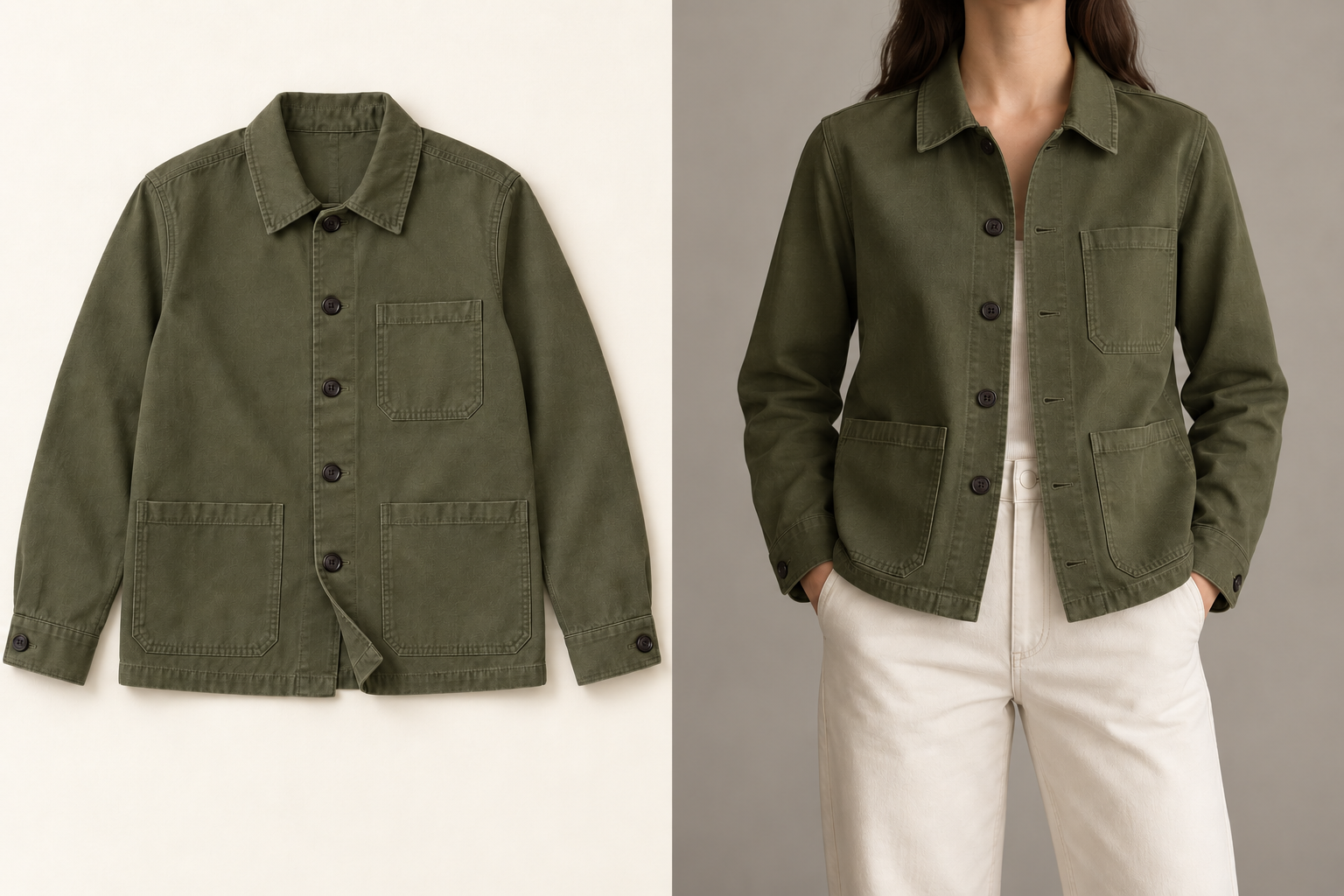
A fictional jacket sold 24 small, 36 medium, 18 large, and 12 extra-large units. Large was available only 12 of the 30 days. The buyer compares a 120-unit repeat plan of 32/48/24/16 with a proposed 24/42/36/18 allocation. Both total 120; the extra large-size allocation is a buyer-review hypothesis, not an automatic extrapolation of the 1.5-unit daily sales rate.
WHAT IS USUALLY DONE
A buyer repeats last season’s size split or ranks sizes by total sales. A size that sold out early can look weak because it had fewer days available. Returns, store differences, and changes to garment measurements may be left in separate spreadsheets.
WHAT SOVRUN CAN DO FOR YOU
Sovrun would build a size-planning workspace that joins sales, stock availability, returns, and garment records. It separates observed sales from estimated demand and lets buyers compare order plans within an agreed budget or unit count. Forecasts would show assumptions and uncertainty; buyers decide the final size split and can inspect why a recommendation differs from last season.
Large sold less.
It was available less, too.
The large size sold 18 units over 12 in-stock days, compared with medium’s 36 over 30 days. That difference deserves investigation. It does not justify multiplying the daily rate into a guaranteed order.
24 sold
- In stock
- 30 / 30 days
- Returned
- 3 units
- Net retained
- 21 units
- Gross sales / in-stock day
- 0.8
36 sold
- In stock
- 30 / 30 days
- Returned
- 2 units
- Net retained
- 34 units
- Gross sales / in-stock day
- 1.2
18 sold
- In stock
- 12 / 30 days
- Returned
- 3 units
- Net retained
- 15 units
- Gross sales / in-stock day
- 1.5
12 sold
- In stock
- 30 / 30 days
- Returned
- 1 units
- Net retained
- 11 units
- Gross sales / in-stock day
- 0.4
Check whether the stockout covered peak demand, whether returns relate to fit, and whether the new jacket’s measurements changed. Keep store differences and supplier pack sizes in the buyer’s decision.
Two plans to compare.
One buyer-owned decision.
The proposed workspace connects the records, explains the assumptions, and exports only the allocation the buyer approves. Actual trading results need a later evaluation.
90 sold. 9 returned.
- Net retained
- 81 units
- Large availability
- 12 of 30 days
- Unobserved demand
- Unknown during stockout
24 / 42 / 36 / 18
- Sizes
- S / M / L / XL
- Total
- 120 units
- Approval
- Buyer review pending
- Purchase order
- Not placed
How we’d make it happen.
Reconcile the trading history
Connect sold units, returns, stock days, and garment revisions. Keep missing availability and late returns visible.
Compare plausible order plans
Estimate demand with availability context and show alternative allocations within the agreed total. Explain the evidence and assumptions for each change.
Approve and evaluate the order
Buyers review constraints and export a chosen plan. Compare later sell-through, stockouts, and returns against the original forecast without rewriting the past.
Where AI helps
Models summarize return reasons and estimate demand from the supplied history while accounting for availability and relevant product changes. Code reconciles units and plan totals. Missing stock records and new-style uncertainty remain visible; a high daily sales rate during a short in-stock period is a clue to investigate, not a guaranteed forecast.
What people approve
Buyers approve comparable history, model assumptions, store groupings, and the final order. Merchandisers check changes in fit and garment measurements. No purchase order is placed automatically, and estimated demand is never labeled as recorded sales.
What we’d need to start
- SKU and size sales, daily stock availability, prices, and return records
- Garment measurements, fit changes, season and store identifiers
- Order budget or unit limit, supplier constraints, and buyer review rules
How we’d test it
Backtest on later periods that were not used for fitting. Compare against the existing size-split method and inspect store-level errors, stockout periods, returns, and new styles. Verify every allocation total and supplier constraint. Do not claim a sales improvement from an illustrative plan.
Prepared for Fashion & lifestyle. We would agree on the work after reviewing your brief, materials, and requirements.
This is a proposed project, not completed client work. The visuals and numbers show example outputs, not measured results.