
PROPOSED PROJECT
Social Ad Production
Give prospective clients clear reasons to consider your expertise, with social ads that test distinct messages, opening lines or scenes, and edits.
Three reasons to stop. One recognizable product.
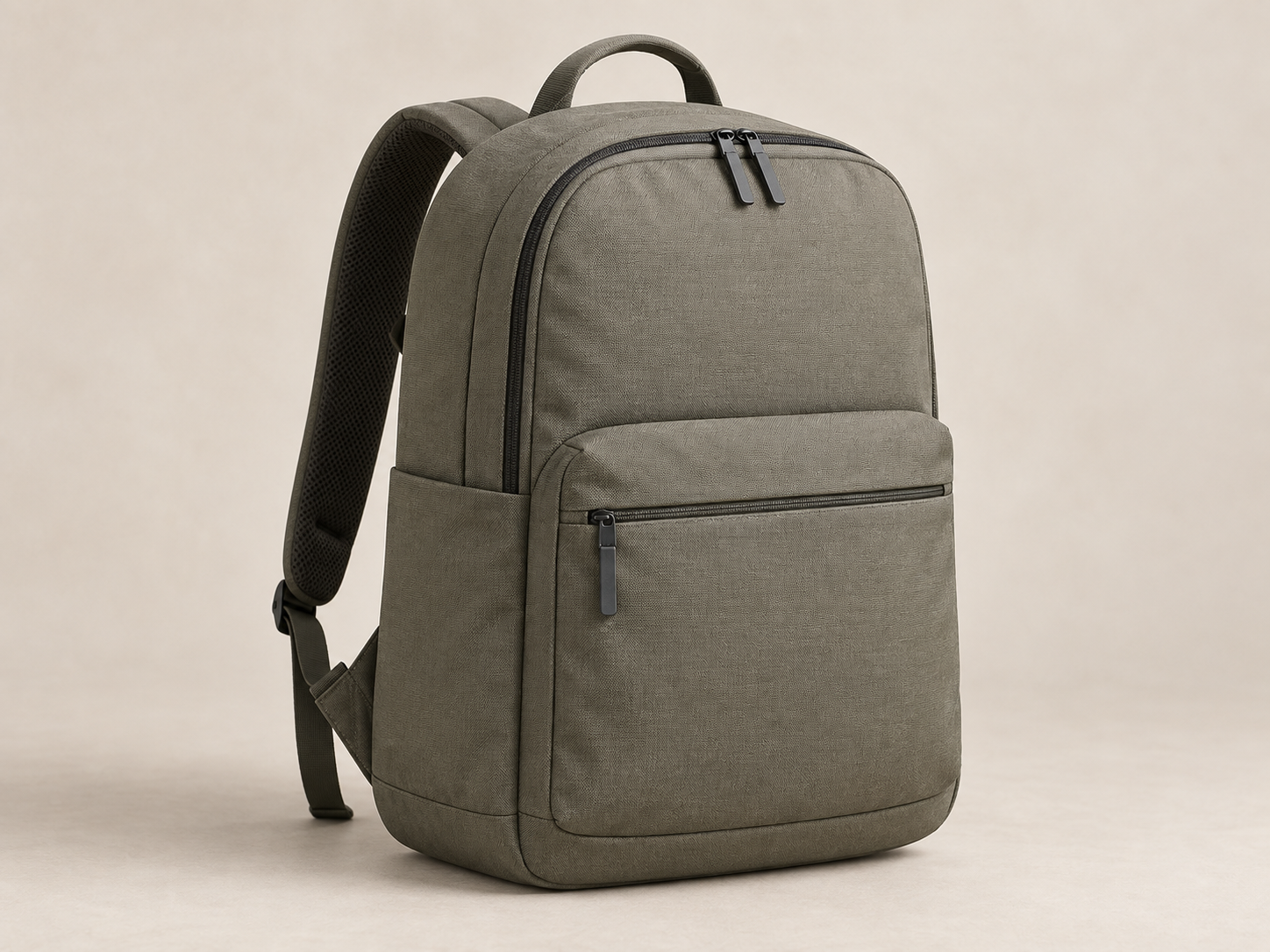
Fictional retail example
Reusable production approach
What this could look like
for your business.
A research consultancy wants ads testing a sample finding, its interview method, and a clear project offer.
WHAT IS USUALLY DONE
Teams often ask an editor to make small variations one at a time. Hooks, source clips, captions, and feedback spread across messages, making it hard to know which version changed which idea.
WHAT SOVRUN CAN DO FOR YOU
Sovrun would build a test plan for one approved offer around choosing a trusted partner: three messages, two opening lines or scenes, and two lengths for prospective clients. Writers select the scripts, editors assemble the approved assets, and the delivery includes a naming system that connects each export to its idea being tested.
Make each version
answer a useful question.
The scope is three messages, two openings for each message, and two lengths: twelve planned edits. Test in stages so a change in message is not confused with a change in opening, duration, audience, or offer.
Which reason matters?
Compare the three messages at 15 seconds, each using its first opening. Keep the audience, placement, offer, and measurement window consistent.
Which beginning earns attention?
Within a selected message, compare opening 1 with opening 2 at the same length. Choose the message only after reviewing the first test.
What does the extra time add?
Compare 6 and 15 seconds with the same selected message and opening. Keep the agreed success measure and attribution window fixed.
Agree the primary response, budget allocation, minimum useful sample, and stopping rules. Platform delivery can bias comparisons; use the platform’s controlled experiment where available. An inconclusive test remains inconclusive.
A short edit still
needs a complete idea.
These are timing plans for the workday message. The shorter version preserves the product detail and call to action; the longer version gives the demonstration more room. Both stay tied to the same approved feature record.
An organized set of edits.
A clear next production decision.
Expected outputs are the creative plan, twelve approved edits, captions, and a register connecting each version to its sources. Performance results come only after an actual campaign is measured.
Planned outputs / not rendered files
Know what changed.
- Example ID
- M2-H1-06
- Source
- R18 / front pocket
- Captions
- Timing + wording check
- Test outcome
- Not measured
How we’d make it happen.
Choose the questions worth testing
Agree three distinct messages, two openings for each, and 6- and 15-second versions. Define the response sought, source evidence, and staged tests before producing the twelve edits.
Build a controlled edit system
Use reviewed scripts and permitted source material. Keep the product, claims, captions, and sound consistent across the variants, with a record of the specific message, opening, and duration in each file.
Deliver, test, and decide the next edit
Review twelve scoped exports, captions, permissions, and the version register. The campaign team runs the agreed tests and uses comparable results to choose the next production step.
Where AI helps
Language models propose openings constrained by the approved offer and claim sheet. Models search video frames and transcripts for relevant moments in permitted footage, then draft captions with suggested timing. We compare current tools on the actual material, preserve source and version references, and reject invented features or unsupported claims. Editors control the final selection, composition, timing, and sound.
What people approve
Writers approve every message, claim, and call to action. Editors check product fidelity, pacing, source permissions, music, captions, and placement requirements. The campaign team approves budgets, controlled test settings, and the measurement plan. Planned exports and illustrative layouts are never reported as a launched campaign or measured improvement.
What we’d need to start
- Approved offer and claim sheet for your expertise
- Rights-cleared source footage
- Channel specifications and the response sought from prospective clients
How we’d test it
Check twelve unique message/opening/length combinations, exact edit duration, approved claim coverage, caption accuracy, source permissions, and placement fit. In later campaign tests, compare one factor at a time with an agreed primary response, allocation, sample requirement, attribution window, and stopping rule. Keep inconclusive results visible; do not claim causal uplift from unmatched platform totals.
Prepared for Professional services. We would agree on the work after reviewing your brief, materials, and requirements.
This is a proposed project, not completed client work. The visuals and numbers show example outputs, not measured results.