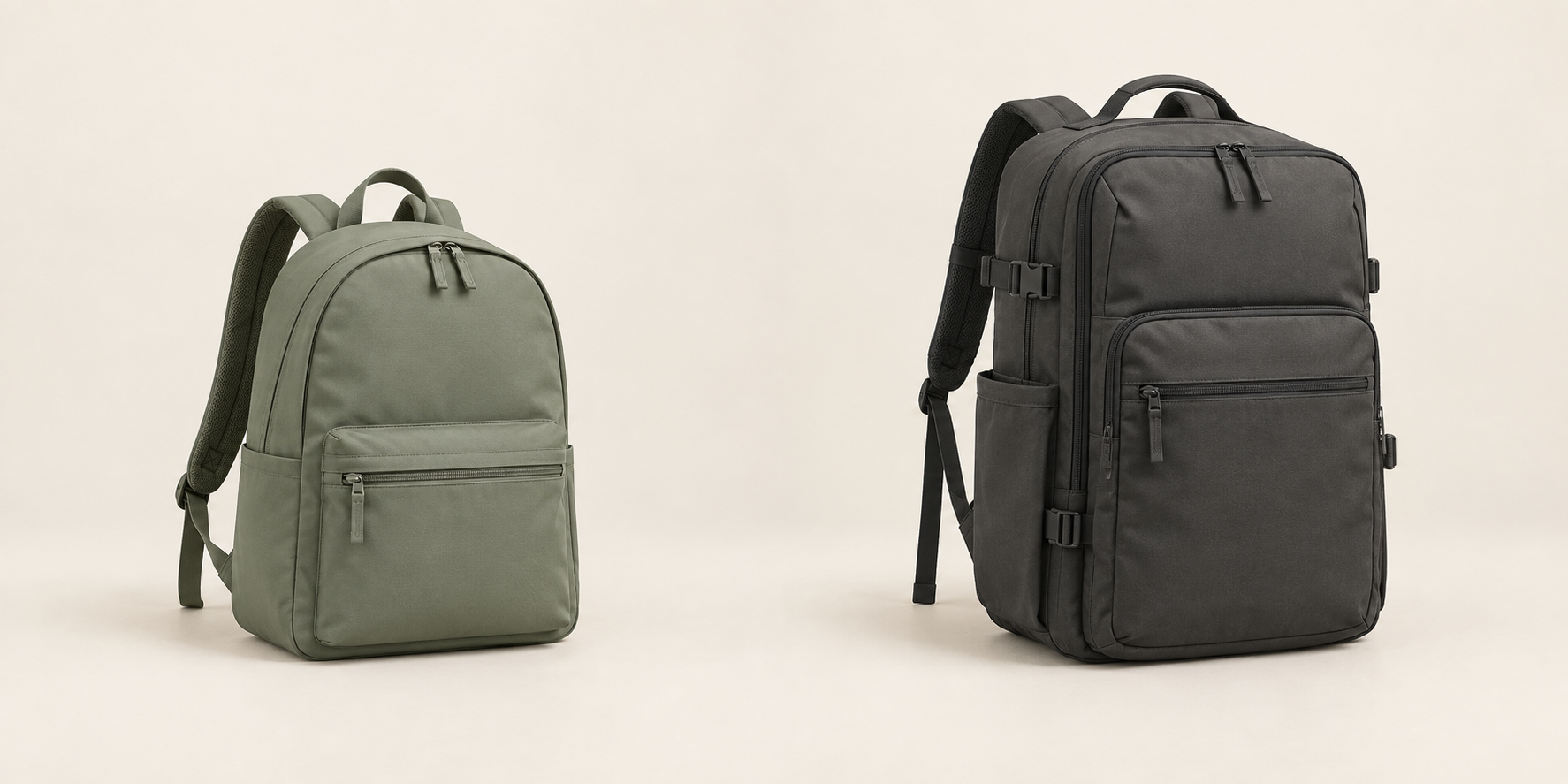
PROPOSED PROJECT
Catalog Search & Product Discovery
Help your audience find what they need within your products and ideas. Understand everyday questions, check prices and availability, and explain why each result fits.
“An everyday backpack for rainy commutes, under ₱5,000.”
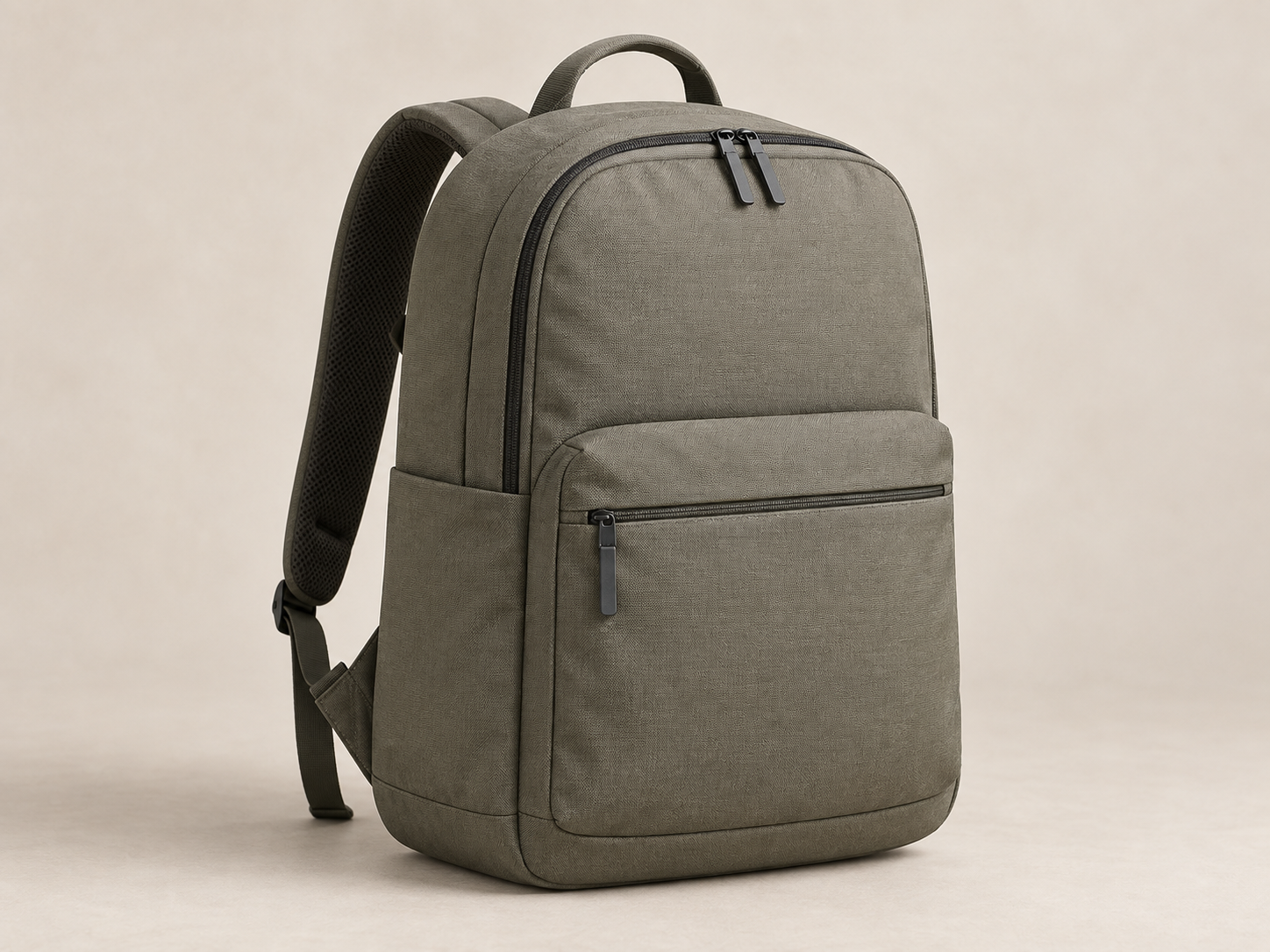
Transit 24
₱4,200 In stock
A compact commuter pack with a water-resistant outer fabric.
- 24 L
- Catalog capacity
- 46 × 29 × 18 cm
- Supplied dimensions
Matches the item type, budget, and availability. “Rainy commute” matches the documented water-resistant fabric.
Waterproof performance is not documented.Understand the request.
Respect the catalog.
Help your audience find what they need within your products and ideas. Understand everyday questions, check prices and availability, and explain why each result fits.
WHAT IS USUALLY DONE
A shopping chatbot can find products related to a request. It can still suggest something over budget, overlook stock levels, or describe a feature the product record does not confirm.
WHAT SOVRUN CAN DO FOR YOU
Sovrun would build search across your products and ideas that understands questions from your audience and checks them against your product records. Prices, stock levels, and required features act as firm limits. Each explanation shows the facts behind the match. The first version includes a customer search page, a record of why items were shown or excluded, and tests your team can review.
Show why a product
makes the cut.
AI reads the request to find possible matches. Product facts decide which ones can be shown. This example keeps the shopper’s price and stock requirements intact.
“None of these records confirms waterproof construction. Would you like to see water-resistant options?”
A search experience
you can inspect.
The pilot includes the storefront result, the rules behind it, and an evaluation report before any wider release.
Transit 24₱4,200 / R-021Product facts remain separate from generated explanations.
Why this result?
- Request
- Rainy commute
- Price ceiling
- ₱5,000
- Stock rule
- Required
- Evidence
- R-021 / outer material
Before it goes live.
- Under-budget results only
- Unavailable items excluded
- Missing features disclosed
- No-match responses reviewed
Pass criteria agreed with the merchant. No accuracy score is assumed.
How we’d make it happen.
Prepare product records
Check the product details, prices, availability, and rules that every result must follow.
Test searches and answers
Compare search and AI tools using questions reviewed by your retail team. Check both the products returned and those left out.
Review with your team
Test difficult requests and improve searches that return no result or an explanation the records do not support.
Where AI helps
Models interpret the request and rank retrieved candidates. They explain only supplied attributes. Price limits, stock, stable product IDs, and eligibility are controlled by structured data checks before a result can be shown.
What people approve
Merchandisers define the required filters, approve the attribute vocabulary, and review expected results for difficult queries. Missing evidence triggers a clarification or no-match response.
What we’d need to start
- Clean catalog export and stable product IDs
- Search terms and common customer questions
- Availability and filtering rules
How we’d test it
Measure relevance, unsupported answers, and useful no-result behavior before connecting the pilot to a live storefront.
This is a proposed project, not completed client work. The visuals and numbers show example outputs, not measured results.