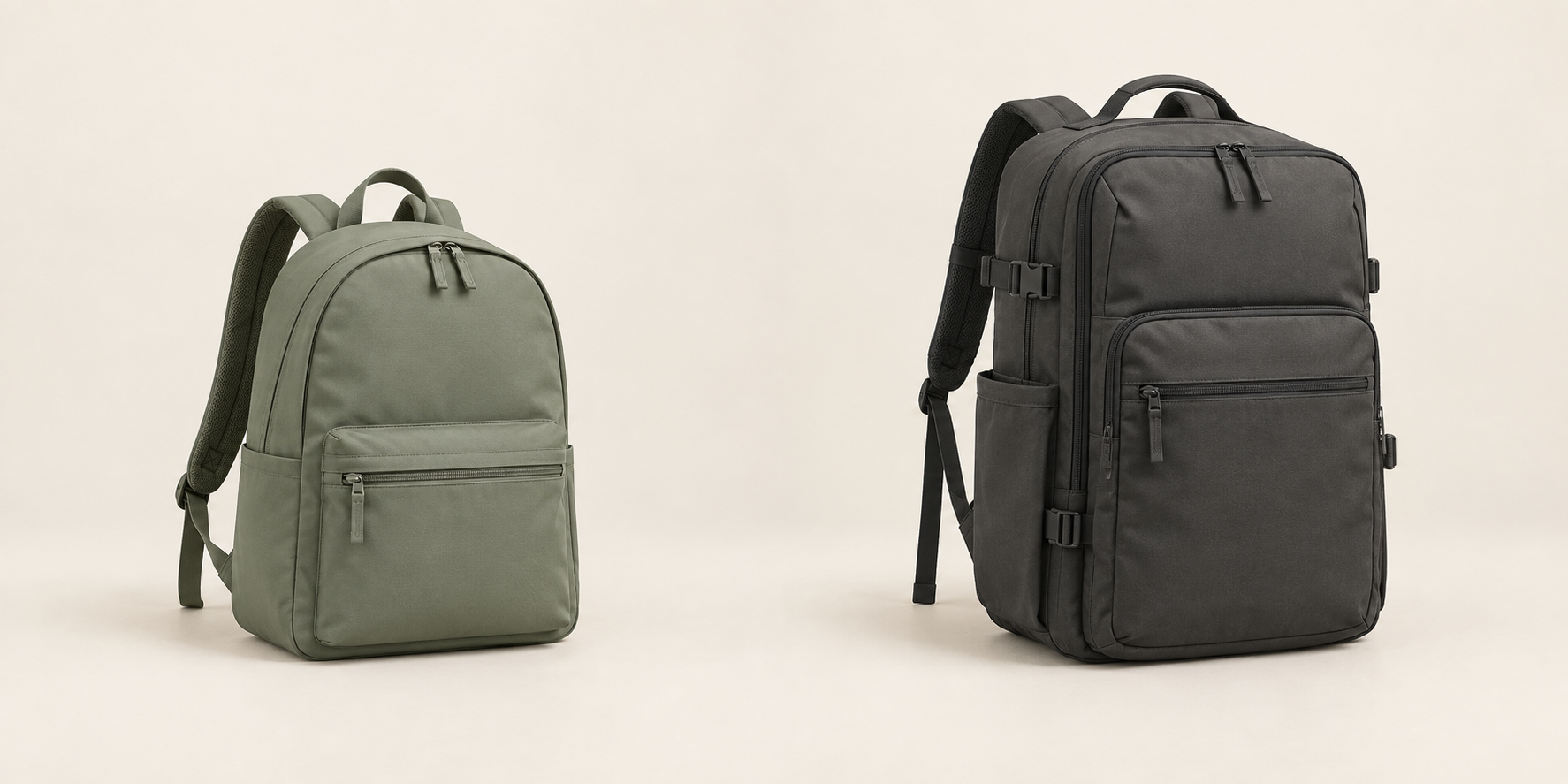
PROPOSED PROJECT
Packaging Concept Development
Explore packaging designs for your audience, then turn the chosen idea into editable artwork and realistic previews.
Three visual directions. One structure to work with.
Example carton: 90 × 150 × 45 mm
Dimensions supplied separately
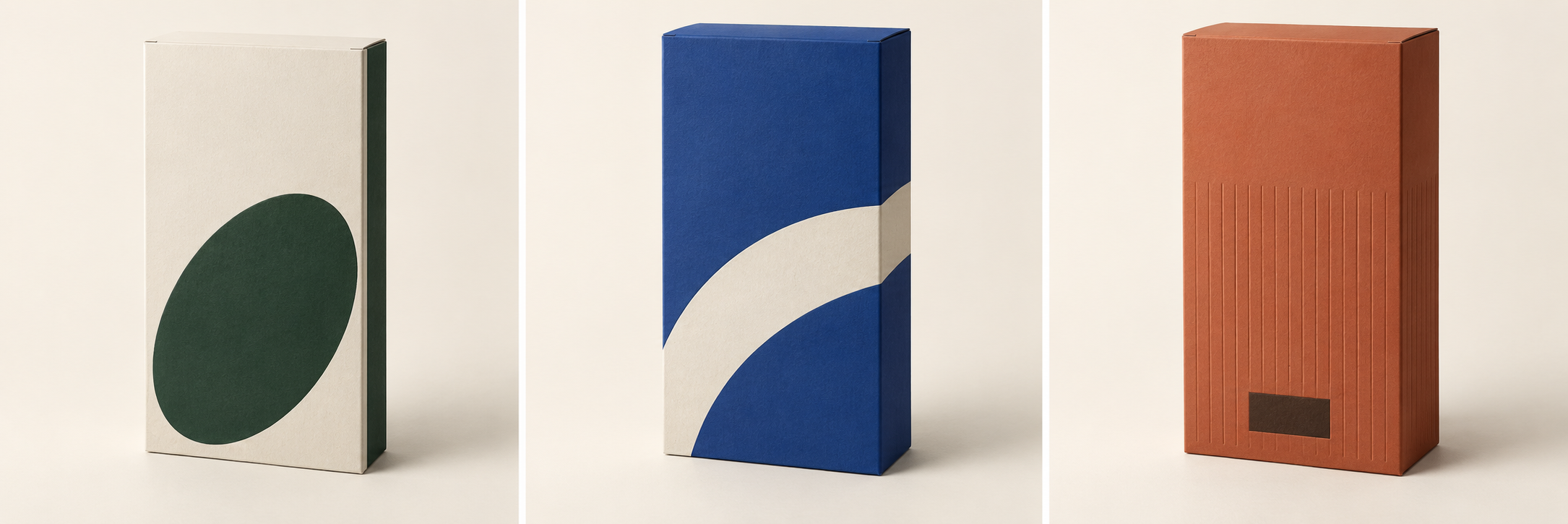
Ivory stock and a dark green shape.
Cobalt and a continuous ivory arc.
Terracotta with proposed line detail.
The project in practice.
Explore packaging designs for your audience, then turn the chosen idea into editable artwork and realistic previews.
WHAT IS USUALLY DONE
Packaging teams can spend weeks rendering directions before agreeing on the visual territory. Attractive concept renders may also hide impossible structures or unreadable label layouts.
WHAT SOVRUN CAN DO FOR YOU
Sovrun would choose a product pack or presentation kit used by your audience, fix its structure, and explore three visual directions using approved mandatory copy. Designers would reconstruct the selected direction in editable artwork and create realistic presentation mockups. Print-ready engineering is a separate, explicitly scoped stage.
Rebuild the selected idea
as editable artwork.
For this example, the team selects the cobalt direction. The front-panel study reserves clear space for the kit name, contents description, and opening instruction. A designer would apply the approved copy to the actual front, back, and side panels.
essentials.
Open the guide inside.
Artwork with a clear hierarchy.
- Front hierarchy
- Kit name → contents → instruction
- Structure
- Supplier template required
- Illustrative dimensions
- 90 × 150 × 45 mm
- Actual fit
- Physical prototype needed
- Print stage
- Separately scoped
Confirm fold positions, glue areas, paper stock, minimum type size, print colors, and the feasibility of any embossed finish with the supplier. A photorealistic box render does not answer those production questions.
A direction you can choose.
Artwork a designer can continue.
The concept stage delivers three distinct routes, one editable selected design, and presentation mockups with the unresolved production questions attached.
Wide arc.
essentials.
Open the guide inside.
Confirm the physical details.
- Template + folds
- Await supplier
- Stock + finish
- Request samples
- Color
- Physical proof needed
- Kit contents fit
- Prototype check
- Print-ready files
- Separate stage
How we’d make it happen.
Constrain
Lock the pack structure and required information before exploring visuals.
Explore
Generate references, select promising routes, and redesign them in proper artwork tools.
Present
Show the concept on the real structure and list production questions that still need resolution.
Where AI helps
Image generation explores surface treatments, visual motifs, and presentation settings. It does not produce reliable print-ready packaging templates, required legal wording, or reliable printed-color samples.
What people approve
A packaging designer controls hierarchy, legibility, materials assumptions, and the final editable design. A production specialist confirms manufacturability before print work.
What we’d need to start
- Existing packaging template or fixed dimensions
- Approved product copy and required marks
- Print and material constraints
How we’d test it
Review distinctiveness, readability, and fit to the supplied structure; do not treat a rendered concept as a production-ready pack.
This is a proposed project, not completed client work. The visuals and numbers show example outputs, not measured results.



 Work,