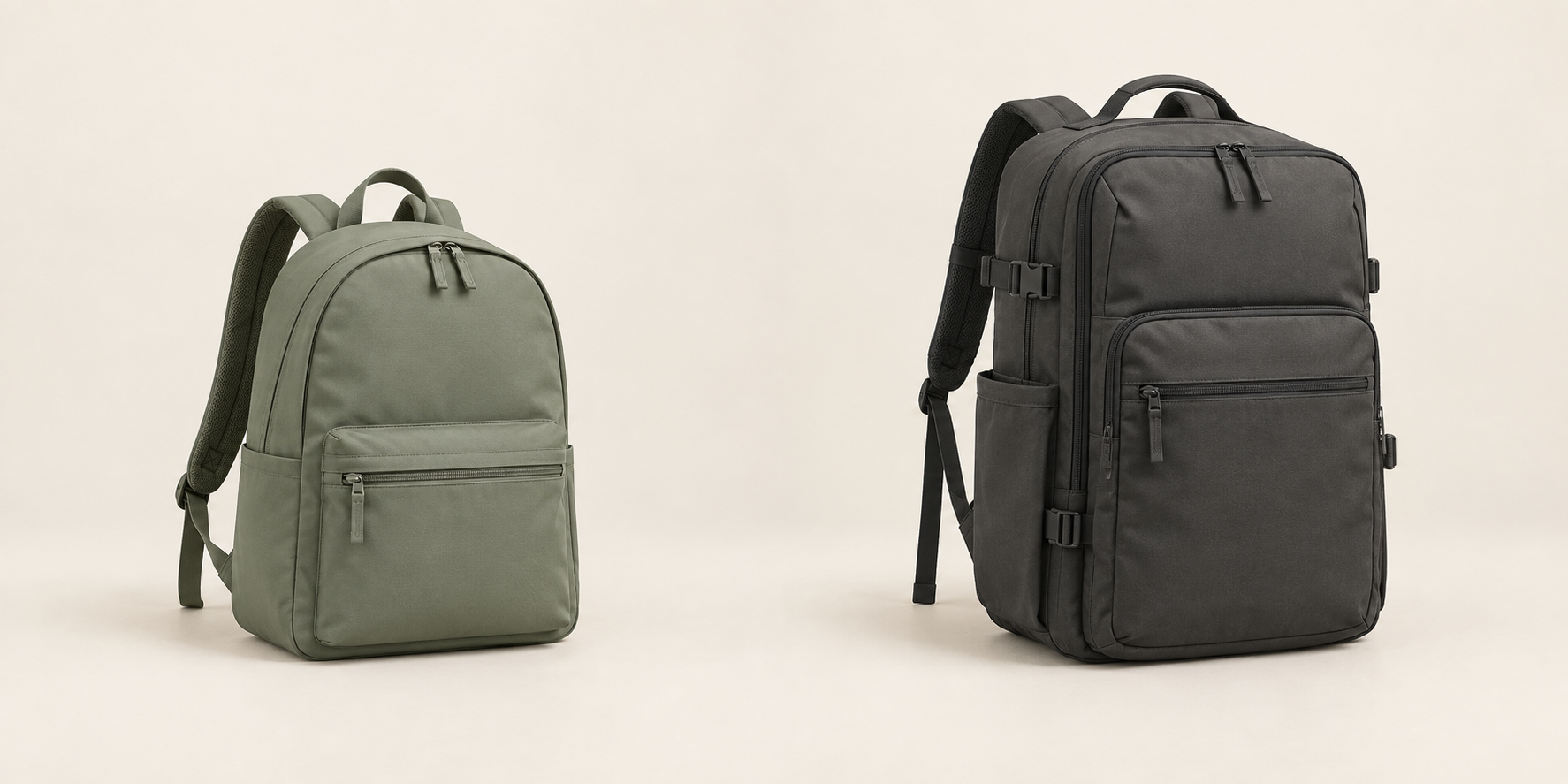
PROPOSED PROJECT
Campaign Storyboards & Rough Cuts
See how a campaign for your products and ideas would look before filming: illustrated scenes and a rough video showing the story, timing, and what your audience would see.
A morning, in three deliberate shots.
15-second rough-cut plan
4 + 5 + 6 seconds
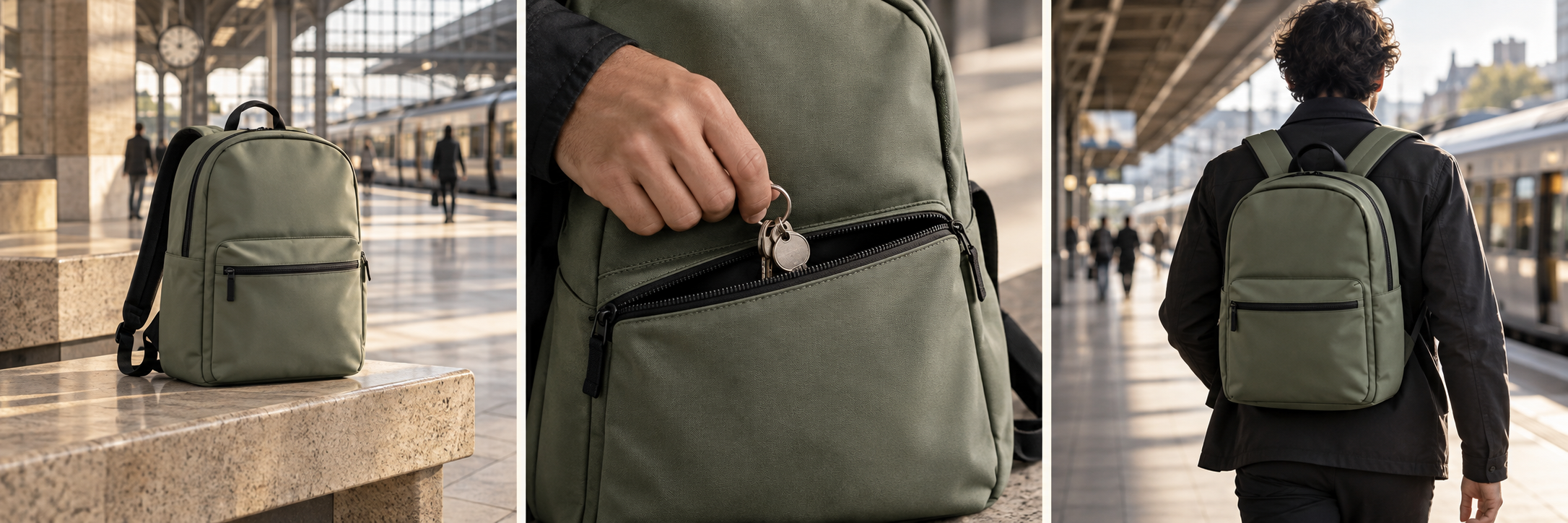
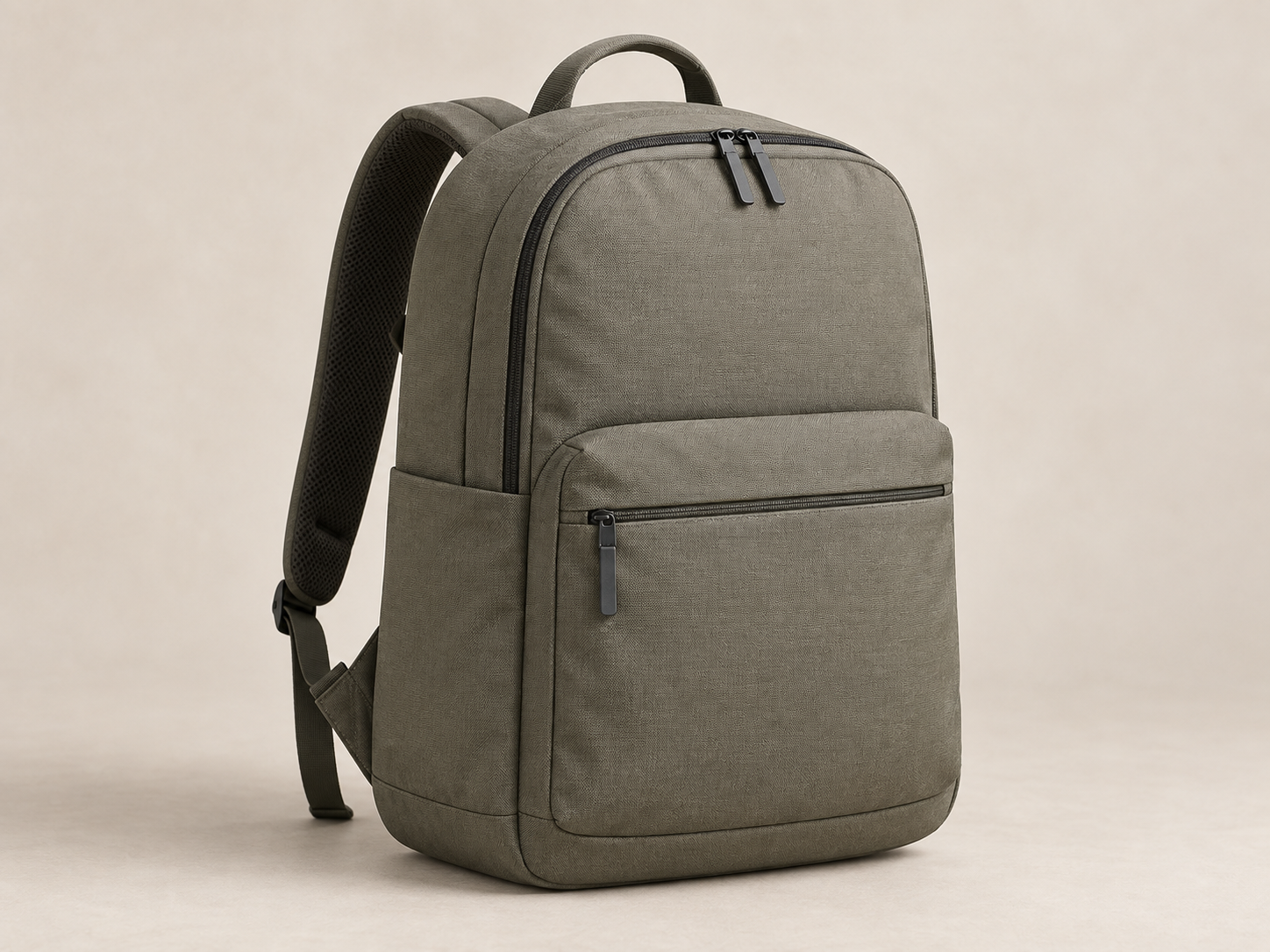
Move toward the bag on the station bench.
Show the keys going into the front pocket.
Follow the wearer toward the platform.
The project in practice.
See how a campaign for your products and ideas would look before filming: illustrated scenes and a rough video showing the story, timing, and what your audience would see.
WHAT IS USUALLY DONE
Teams approve a campaign from a moodboard, then discover disagreements about the story during the shoot or edit. Early references often do not show how the actual product fits.
WHAT SOVRUN CAN DO FOR YOU
Sovrun would develop two campaign ideas around your products and ideas, showing how each could help make your brand easier to understand and choose. We would turn the chosen idea into illustrated scenes and a rough video showing the timing. A production plan explains which shots need filming, 3D, or AI, and which need further tests.
Compare the story
before making the shots.
Route A follows a short morning journey: the ready bag, the useful front pocket, and the wearer leaving. Route B would stay on a tabletop, arranging daily objects into the bag one by one. This example develops Route A for its clear move from product detail to use.
Ready, then out.
Place → useful detail → journey. The front pocket earns its moment through a simple action with keys.
Pocket by pocket.
A fixed overhead camera follows daily objects into their places, finishing on the organized bag.
Ready to leave
Keys within reach
On with the day
Use current image and motion models to test the shot idea, then choose the right production method per scene. The hand-and-pocket action needs a practical or tightly controlled product shot. Keep zipper placement, fabric, silhouette, and straps consistent; do not treat generated continuity as approved by default.
A campaign the team
can agree on before production.
The first project includes two ideas, the selected illustrated sequence and rough timing, and a shot-by-shot production plan. A commissioned rough cut would add motion and temporary sound.
Show the useful detail.
Give every shot its time.
- S01 / Ready to leave
- 00:00–00:04
- S02 / Keys within reach
- 00:04–00:09
- S03 / On with the day
- 00:09–00:15
- Total
- 15 seconds
Choose the method per shot.
- S01
- Location plate + controlled product reference
- S02
- Practical hand-and-product detail shot
- S03
- Consented performer + approved product
- Continuity check
- Product shape + pocket details
How we’d make it happen.
Interpret
Translate the brief into two different narrative approaches.
Visualize
Test key moments with the actual product references and assemble the rough sequence.
Decide
Approve the route with a clear shot plan before commissioning final production.
Where AI helps
AI helps explore the look of each scene and create rough movement. The resulting video is a planning preview that lets the team discuss the idea before making the finished ad.
What people approve
A creative director selects and sequences the frames. A producer reviews the proposed shot methods and unresolved production risks.
What we’d need to start
- Launch objective and approved details of your products and ideas
- Placement lengths and budget range
- Reference work and requirements for brand accuracy, accessibility, and responsible data use
How we’d test it
Check whether the team can agree on the story, visual style, and production requirements from the illustrated scenes and rough video.
This is a proposed project, not completed client work. The visuals and numbers show example outputs, not measured results.
 Work,