PROPOSED PROJECT
Customer Feedback Research
Find what your audience ask, enjoy, and struggle with in reviews and support messages, then turn those findings into ideas your team can act on.
A theme needs the comments behind it.
Eight fictional comments
Reviewed topic assignments
Nine topic links: F04 belongs to two topics.
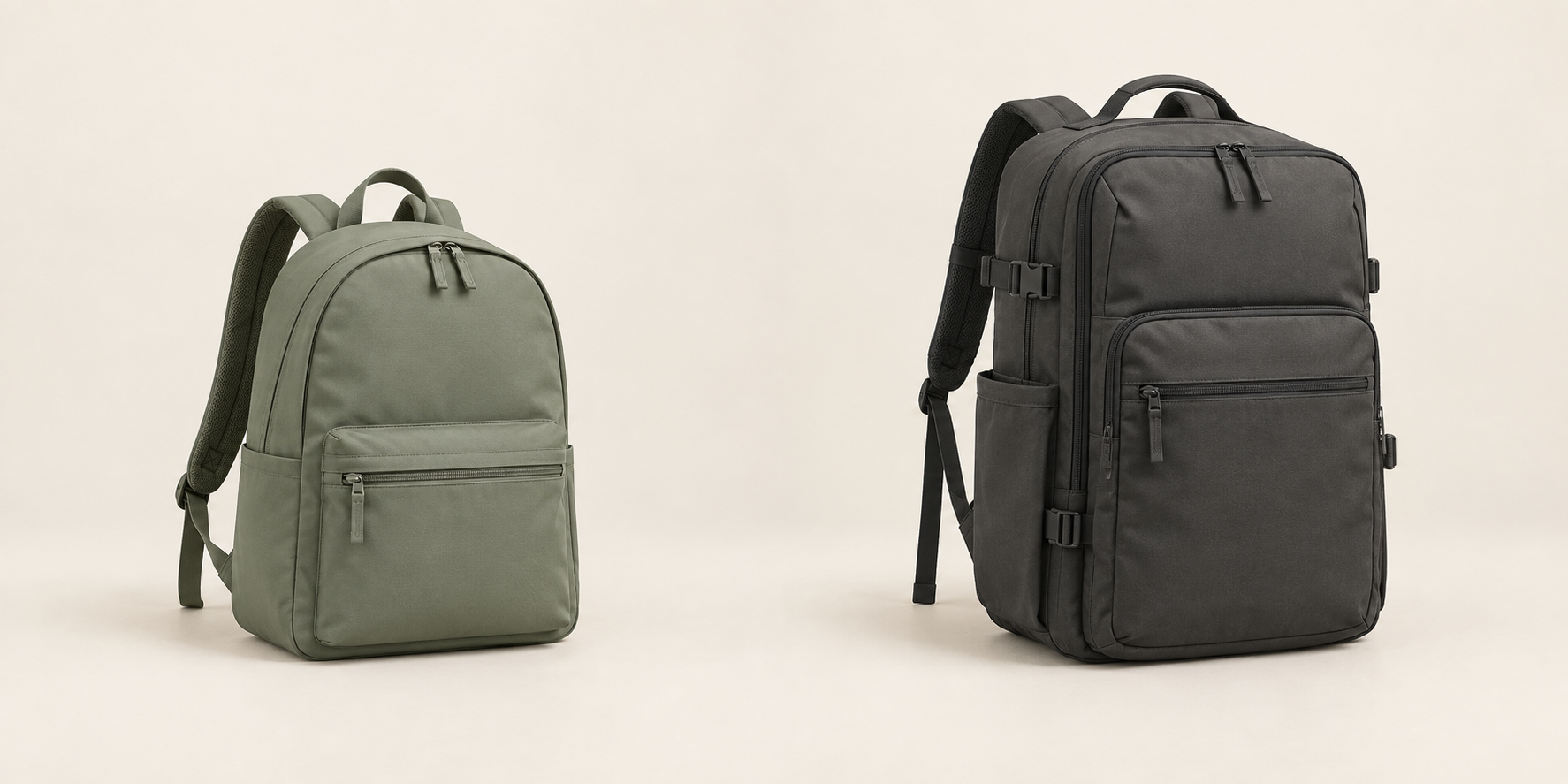
F03 / FIT“I did not know if the sleeve would fit my laptop.”
F04 / FIT + FINDABILITY“The size guide was useful once I found it.”
F08 / FIT“The image made the bag look larger than it is.”
The project in practice.
Find what your audience ask, enjoy, and struggle with in reviews and support messages, then turn those findings into ideas your team can act on.
WHAT IS USUALLY DONE
Teams read selected comments and summarize the loudest themes. Useful evidence can be missed, and the original quote is difficult to find once a conclusion reaches the brief.
WHAT SOVRUN CAN DO FOR YOU
Sovrun would analyze an agreed export of feedback from your audience, grouping questions and difficulties around discovering your brand into a report linked to the original source rows. Strategists would separate recurring observations from isolated anecdotes and turn selected findings into testable creative briefs.
Keep the comment
that challenges the summary.
F01 could not find a delivery date before paying. F02 says the estimate was clear at checkout. Both belong to the delivery topic, but they support different experiences. A useful report records that difference instead of calling every delivery mention a complaint.
“I could not find the delivery date before paying.”
“The delivery estimate was clear at checkout.”
Start with three reviewable opportunities: make device-fit information easier to understand, test delivery information earlier in the journey, and make the existing guides easier to find. Keep F05’s positive zipper comment and F07’s single demonstration request in the record even though they are less frequent.
Findings your team
can trace back and use.
The deliverable combines reviewed topics, source-linked observations, and three creative tests. Their value would be evaluated separately from the frequency of comments.
Nine topic links: F04 belongs to two topics.
Show the usable space.
- F03
- Laptop fit is unclear
- F04
- Guide useful but hard to find
- F08
- Image suggests a larger bag
- Research limit
- Small supplied export
Turn questions into work.
- 01 / Fit
- Show device + sleeve limits
- 02 / Delivery
- Test earlier estimate display
- 03 / Findability
- Surface care + size guides
- Next measure
- Comprehension before rollout
How we’d make it happen.
Scope
Define which customer comments are in scope and remove unnecessary personal information.
Analyze
Classify the comments and audit a sample against the original wording.
Apply
Write creative opportunities that can be traced back to specific observations.
Where AI helps
Language models group similar comments and propose themes. Counts are calculated from the reviewed classifications, not invented by the model.
What people approve
A researcher reviews the categories, ambiguous comments, and evidence behind each conclusion. The report states what the dataset cannot represent.
What we’d need to start
- Authorized reviews or support messages from your audience
- Date range and relevant product or service details
- Business questions for the research
How we’d test it
Check classification accuracy on a held-out sample and ensure every recommendation cites evidence within the supplied dataset.
This is a proposed project, not completed client work. The visuals and numbers show example outputs, not measured results.



 Work,